
Posted on 01/9/2026 00:18 AM (CNA Daily News - Vatican)
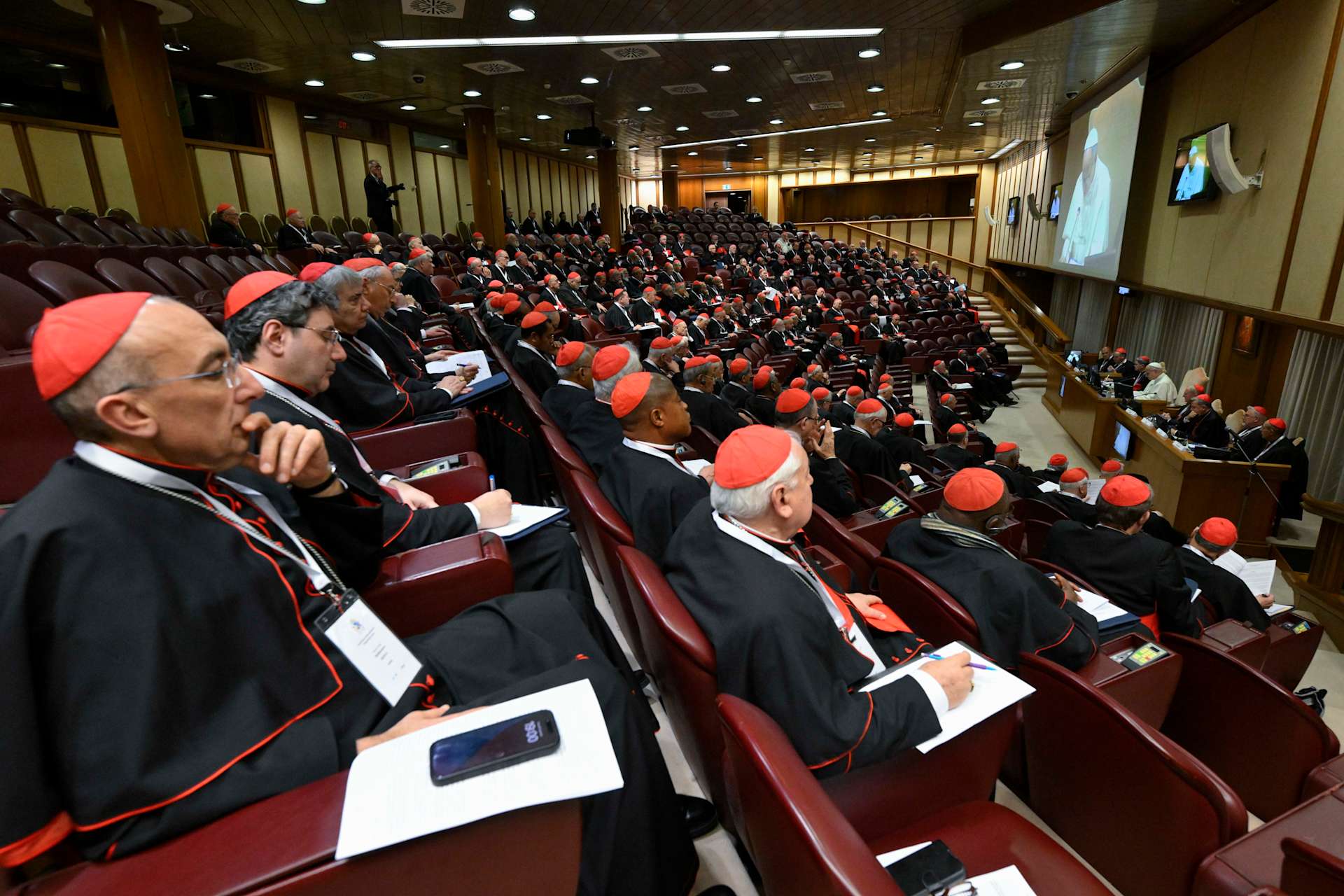 Cardinals meet with Pope Leo XIV in the third session of the consistory on Jan. 8, 2025, at the Vatican. | Credit: Vatican Media
Jan 8, 2026 / 19:18 pm (CNA).
Pope Leo XIV will be hosting a second consistory of cardinals at the end of June and wants to hold such meetings annually.
The Vatican made the announcement Thursday evening at the conclusion of the Holy Father’s first extraordinary consistory of cardinals that lasted two days. The next such meeting is expected to be held on June 27–28, the vigil of Sts. Peter and Paul.
Vatican spokesman Matteo Bruni said the pope would like to hold annual meetings lasting three to four days, allowing more time for discussion on various topics of importance and for free interventions by the members of the Sacred College of Cardinals.
Cardinal Stephen Brislin of Johannesburg, South Africa, told reporters at a closing Vatican briefing that he and the other cardinals found this consistory a “very enriching and very deepening experience.” He said they also appreciated that it also gave the opportunity for the cardinals to “get to know each other and to listen to each other.” The fact that the pope wishes to hold more meetings, he added, shows that the pope, too, “found it very important” and helpful.
The cardinal said some doubts were expressed when they were told they would be split into small groups, and “certainly a concern” was that there would be insufficient opportunity for them “to express themselves and to listen to others.” Still, he said he thought the way the groups were constructed, having been split into two blocks, was “very helpful” and “gave the opportunity for every cardinal to speak,” even if it wasn’t heard by the whole assembly.
The liturgy was briefly mentioned, Cardinal Wilfrid Napier, archbishop emeritus of Durban, South Africa, told the National Catholic Register, CNA’s sister news partner. But he said the Traditional Latin Mass and “particulars like that” were not discussed. “I think the whole thing was how do we get the whole Church onto the same level at evangelizing, I think that was the main point,” he said.” Hope was expressed by various cardinals that other topics not discussed would be covered at forthcoming consistories.
Little information emerged both during and after the consistory as cardinals told reporters that Pope Leo had instructed them to keep the proceedings confidential. Nevertheless, Brislin, who was joined by Filippino Cardinal Pablo David and Colombian Cardinal Luis José Rueda Aparicio at Thursday’s press briefing, spoke relatively freely.
Posted on 01/8/2026 22:40 PM (CNA Daily News - Vatican)
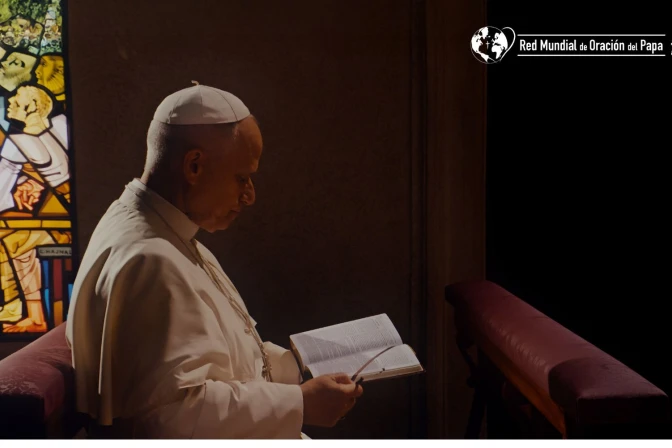 Official image of the “Pray with the Pope” campaign for January 2026. | Credit: World Prayer Network
Jan 8, 2026 / 17:40 pm (CNA).
The Vatican’s Dicastery for Communication has launched a new prayer campaign in which Pope Leo XIV invites Catholics to pray with him for the great challenges facing the world.
The “Pray with the Pope” initiative is part of the Pope’s Worldwide Prayer Network, which, during the pontificate of Pope Francis, launched the project known as “The Pope’s Video,” through which the faithful were invited each month to unite in prayer for a specific intention.
Continuing this mission, the new campaign not only invites people to pray but also offers a specific prayer from Leo XIV, who will present his monthly intention from a renewed perspective, encouraging an intimate and serene experience with Christ.
According to Jesuit Father Cristobal Fones, international director of the Pope’s Worldwide Prayer Network, who presented the initiative Jan. 7 in Rome alongside Paolo Ruffini, prefect of the Dicastery for Communication, the initiative proposes “a shared inner experience that aspires to transform life from within.”
The focus of this new phase, as the Jesuit priest explained, “will be more centered on supporting a spiritual experience, which often becomes difficult amidst our busy and noise-filled daily lives.”
“The pope is very aware of this and wants to help us, inviting us to pray together for others,” he added. The “update” of the initiative, according to Fones, stems “from the profound need we have to slow down in order to achieve greater depth in our decisions and relationships.”
With a simple and accessible format, “Pray with the Pope” aims to allow anyone, wherever they are, to join in the Holy Father’s prayer intention, which this year 2026 begins with the invitation to “learn to pray with the most definitive Word, which is not our own, so full of empty promises, but Jesus Christ.”
In this month’s video, Pope Leo XIV is seen silently reading a passage from the Bible in the presence of the Lord, and then he recites a short prayer:
“Lord Jesus, living word of the Father, in you we find the light that guides our steps.
“We know that the human heart lives restless, hungry for meaning, and only your Gospel can give it peace and fullness.
“Teach us to listen to you each day in the Scriptures, to let ourselves be challenged by your voice, and to discern our decisions from the closeness to your heart.
“May your word be nourishment in weariness, hope in darkness, and strength in our communities.
“Lord, may your word never be absent from our lips or from our hearts — the word that makes us sons and daughters, brothers and sisters, disciples and missionaries of your kingdom.
“Make us a Church that prays with the word, that builds upon it and shares it with joy, so that in every person the hope of a new world may be born again.
“May our faith grow in the encounter with you through your word, moving us from the heart to reach out to others, to serve the most vulnerable, to forgive, build bridges, and proclaim life. Amen.”
For Fones, this January’s intention will be the basis for the rest of the year’s intentions, which will include children with incurable diseases, the end of war, priests in crisis, respect for human life, and families experiencing the absence of a mother or father, among others.
The priest explained that the initiative also seeks to “highlight important and crucial issues for everyone, opening our hearts to urgent realities and transforming our environment to counteract the globalization of indifference.”
The campaign can be followed on the pope’s prayer website in several languages, and will also be available in audio format through Vatican Radio and partner platforms such as Pray as You Go, RezandoVoy, and Hallow. The Pope’s Worldwide Prayer Network is currently present in more than 90 countries and reaches over 22 million people.
This story was first published by ACI Prensa, CNA’s Spanish-language news partner. It has been translated and adapted by CNA.
Posted on 01/8/2026 22:04 PM (CNA Daily News - Vatican)
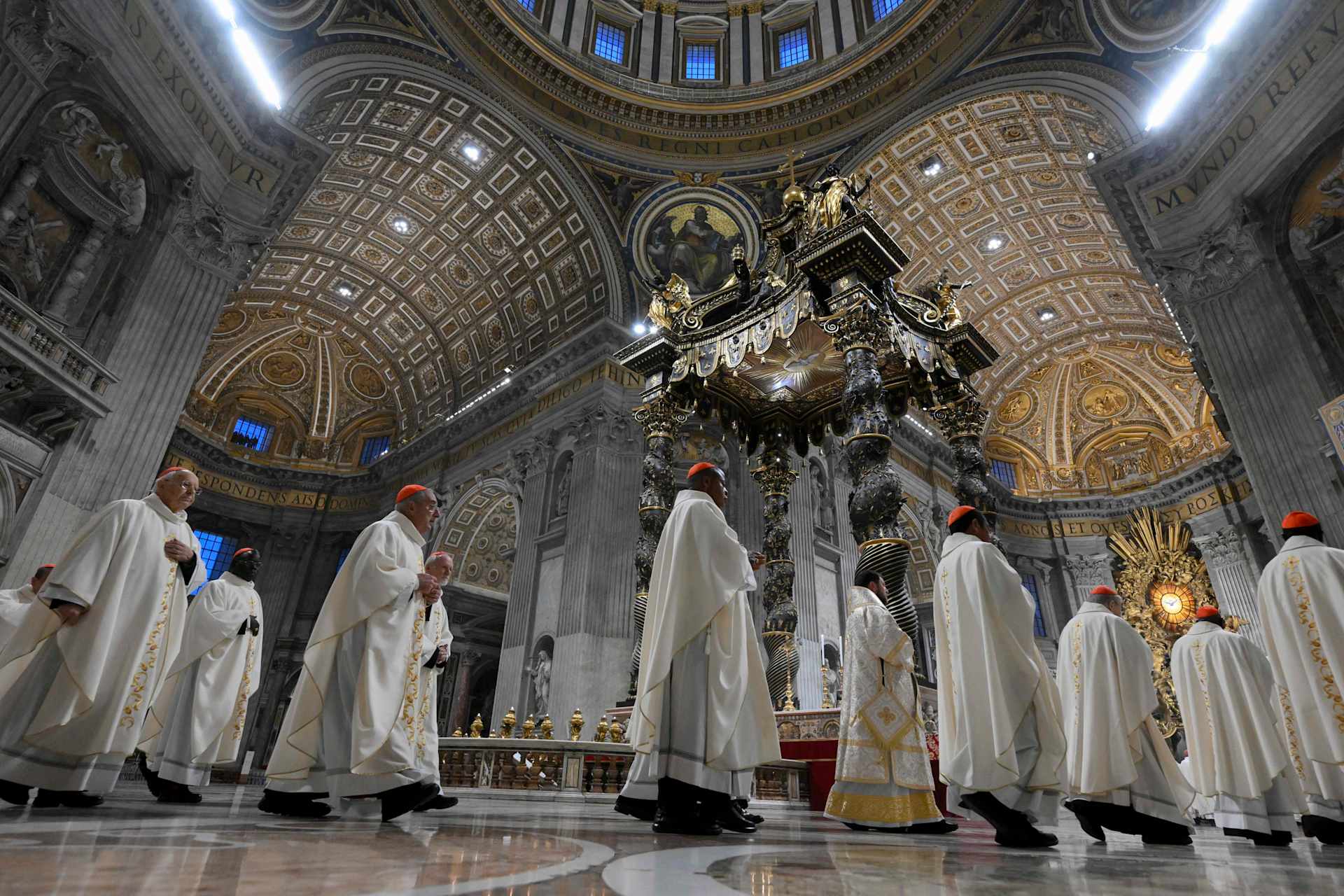
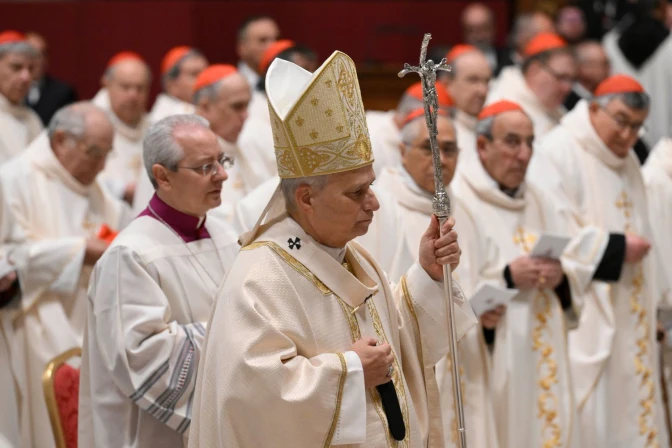 Pope Leo XIV arrives at St. Peter’s Basilica for a Mass with cardinals on Jan. 8, 2026. | Credit: Vatican Media
Jan 8, 2026 / 17:04 pm (CNA).
Pope Leo XIV on Thursday called on cardinals to experience the extraordinary consistory as a time of spiritual discernment in unity and warned against the temptation to put personal interests ahead of the common good.
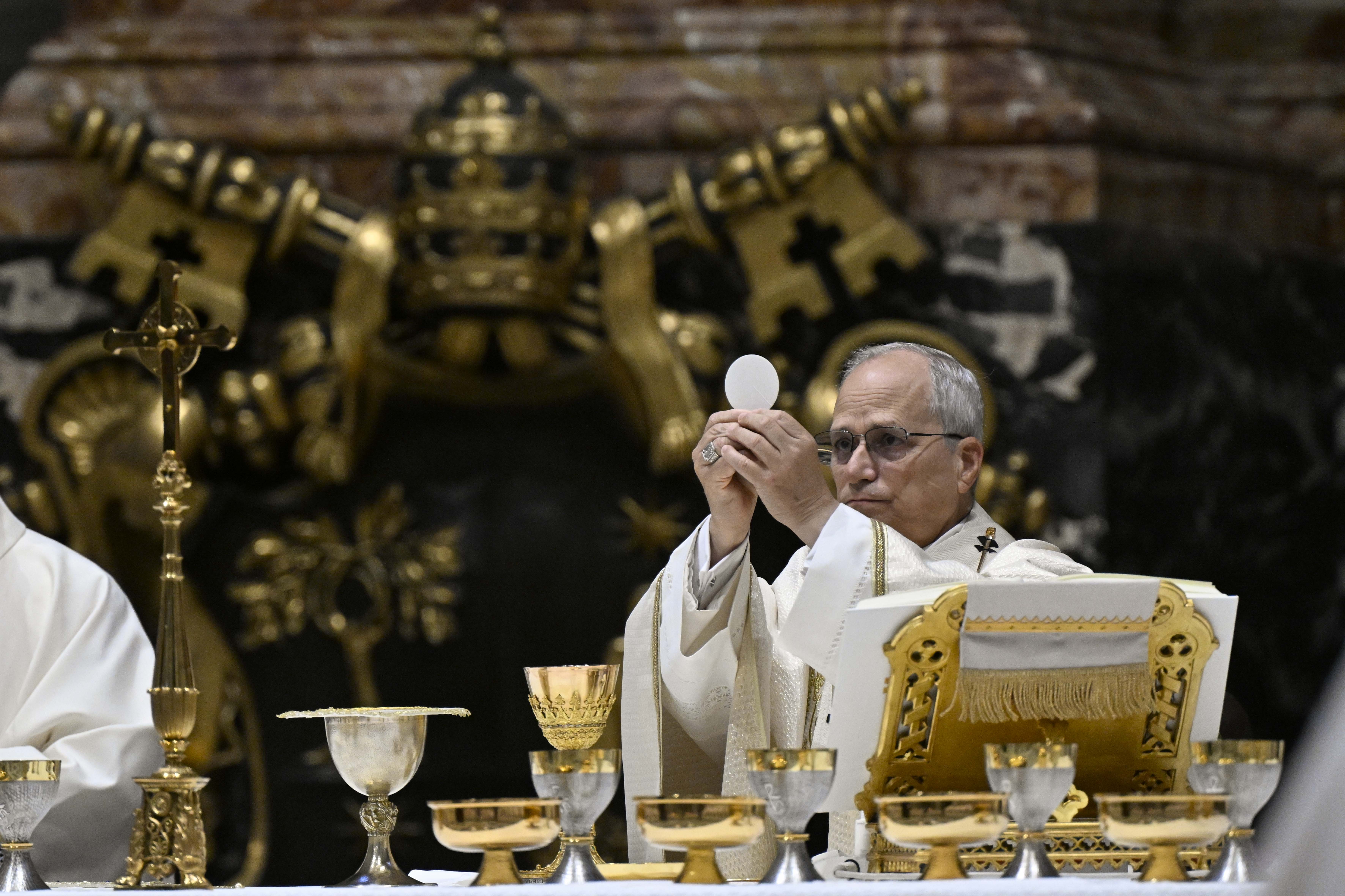
“We gather not to promote personal or group ‘agendas’ but to entrust our plans and inspirations to a discernment that transcends us — ‘as the heavens are higher than the earth’ — and which comes only from the Lord,” he said in his homily for the Mass he celebrated Jan. 8 in St. Peter’s Basilica with the cardinals present in Rome for this important two-day ecclesial meeting convened to help him make decisions about the future of the Catholic Church.
Leo XIV urged the cardinals to experience the Eucharist as the place where this discernment is purified and transformed, asking them to place all their “hopes and ideas upon the altar.”
“Only in this way will we truly know how to listen to his voice and to welcome it through the gift that we are to one another — which is the very reason we have gathered,” he added.
The pope linked this vision to the spirituality of communion, recalling that Christian love is “Trinitarian” and “relational,” and quoted St. John Paul II, who defined it as “the heart’s contemplation of the mystery of the Trinity dwelling in us.”
This extraordinary consistory — different from the ordinary ones, which are more limited and frequent — was planned to take place immediately after the Jubilee of Hope to “offer support and advice to the Holy Father in the exercise of his high and arduous responsibility of governing the Church,” according to a statement from the Holy See.
St. John Paul II convened six extraordinary consistories during his 26-year pontificate, while Pope Benedict XVI chose to hold consultative meetings with the cardinals on the eve of the ordinary consistories. In total, he held three such meetings during his pontificate.
During the 12 years of his pontificate, Pope Francis held only one extraordinary consistory, on Feb. 20, 2014, which focused primarily on the family and marriage, ahead of the Synod on the Family held that same year.
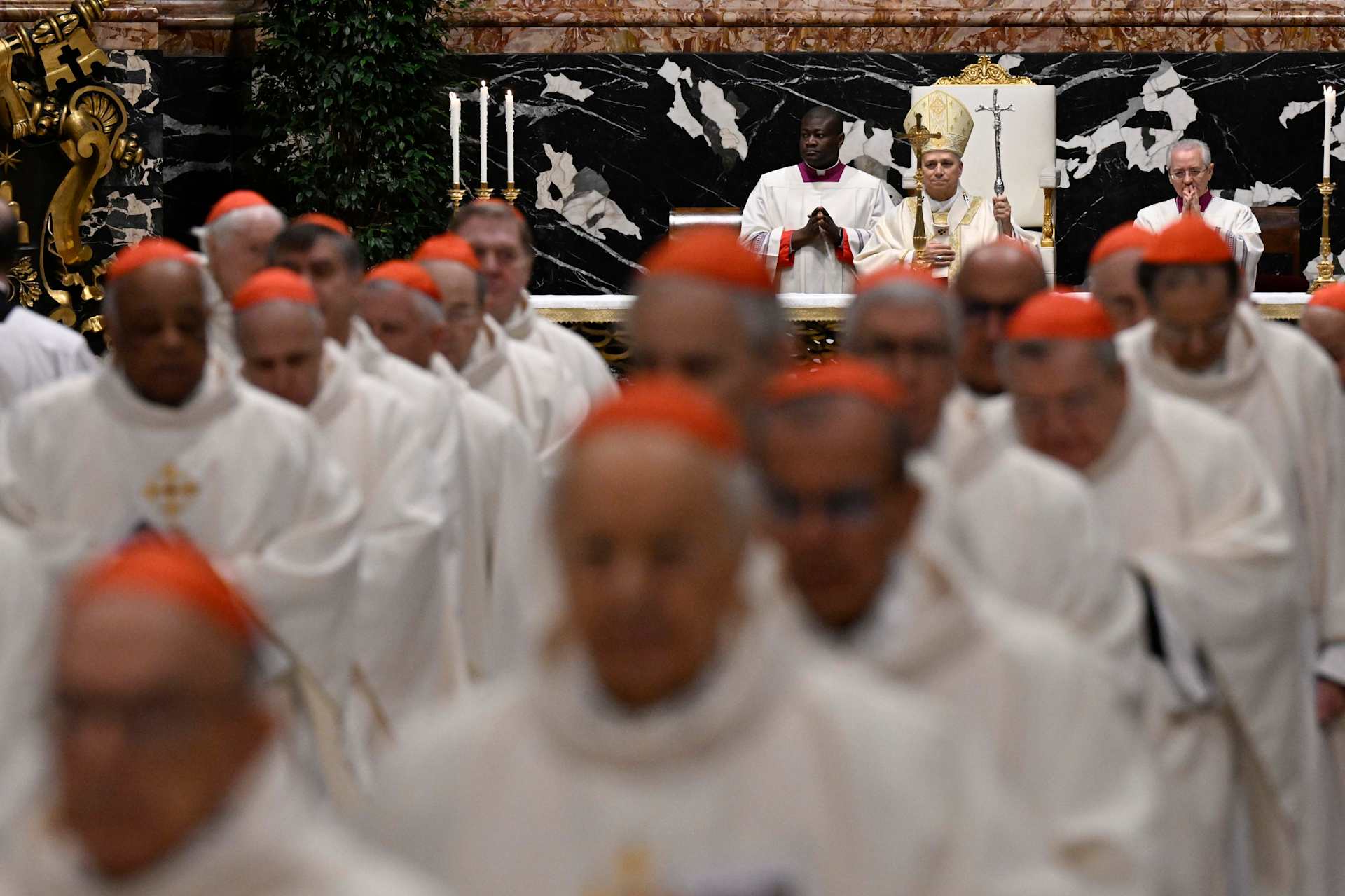
Unlike his predecessor, who preferred to consult with a smaller council, Leo XIV convened the entire College of Cardinals to assist him in governing the universal Church.
The cardinals are expected to offer the new pontiff their views on two specific topics: the Synod and synodality, and the mission of evangelization and the missionary character of the Church in light of Pope Francis’ apostolic exhortation Evangelii Gaudium. Initially, the meeting topics also included discussions on the liturgy and the apostolic constitution Praedicate Evangelium, but lack of time has limited the issues that will be addressed.
The pontiff reflected on the very meaning of the consistory, recalling that the word “consistorium” in Latin refers to the idea of “pausing.”
“Indeed, all of us have ‘paused’ in order to be here. We have set aside our activities for a time, and even canceled important commitments, so as to discern together what the Lord is asking of us for the good of his people,” he emphasized.
In his homily, the Holy Father reminded those present that this gathering is not about a “mere group of experts” but “a community of faith. Only when the gifts that each person brings are offered to the Lord and returned by him, will they bear the greatest fruit according to his providence.”
The pontiff also recalled the words of St. Leo the Great to emphasize the communal dimension of ecclesial service: “In this way,” he said, “‘the hungry are fed, the naked clothed, the sick visited, and no one seeks his or her own interests, but those of others.’”
Referring to the challenges of today’s world, marked by profound inequalities and a widespread “hunger for goodness and peace,” the pope acknowledged the feeling of inadequacy in the face of the mission but encouraged them to face it together, trusting in providence.
“We will be able to help one another — and in particular, to help the pope — to find the “five loaves and two fish” that providence “never fails to provide,” he affirmed.
Leo XIV concluded his homily by offering the cardinals his “heartfelt thanks” for their service and reminding them that, even if they don’t always manage to find solutions to the problems they face.
“We may not always be able to find immediate solutions to the problems we face. Yet in every place and circumstance, we will be able to help one another — and in particular, to help the pope,” he said, calling for collaboration.
“Beloved brothers,” the pope noted, “what you offer to the Church through your service, at every level, is something profound and very personal, unique to each of you and precious to all.”
According to what the director of the Holy See Press Office, Matteo Bruni, reported Jan. 7, of the 245 cardinals who currently make up the College of Cardinals, 170 are in Rome participating in the closed-door meetings that concluded Thursday.
This story was first published by ACI Prensa, CNA’s Spanish-language news partner. It has been translated and adapted by CNA.
Posted on 01/8/2026 20:06 PM (Catholic News Agency)
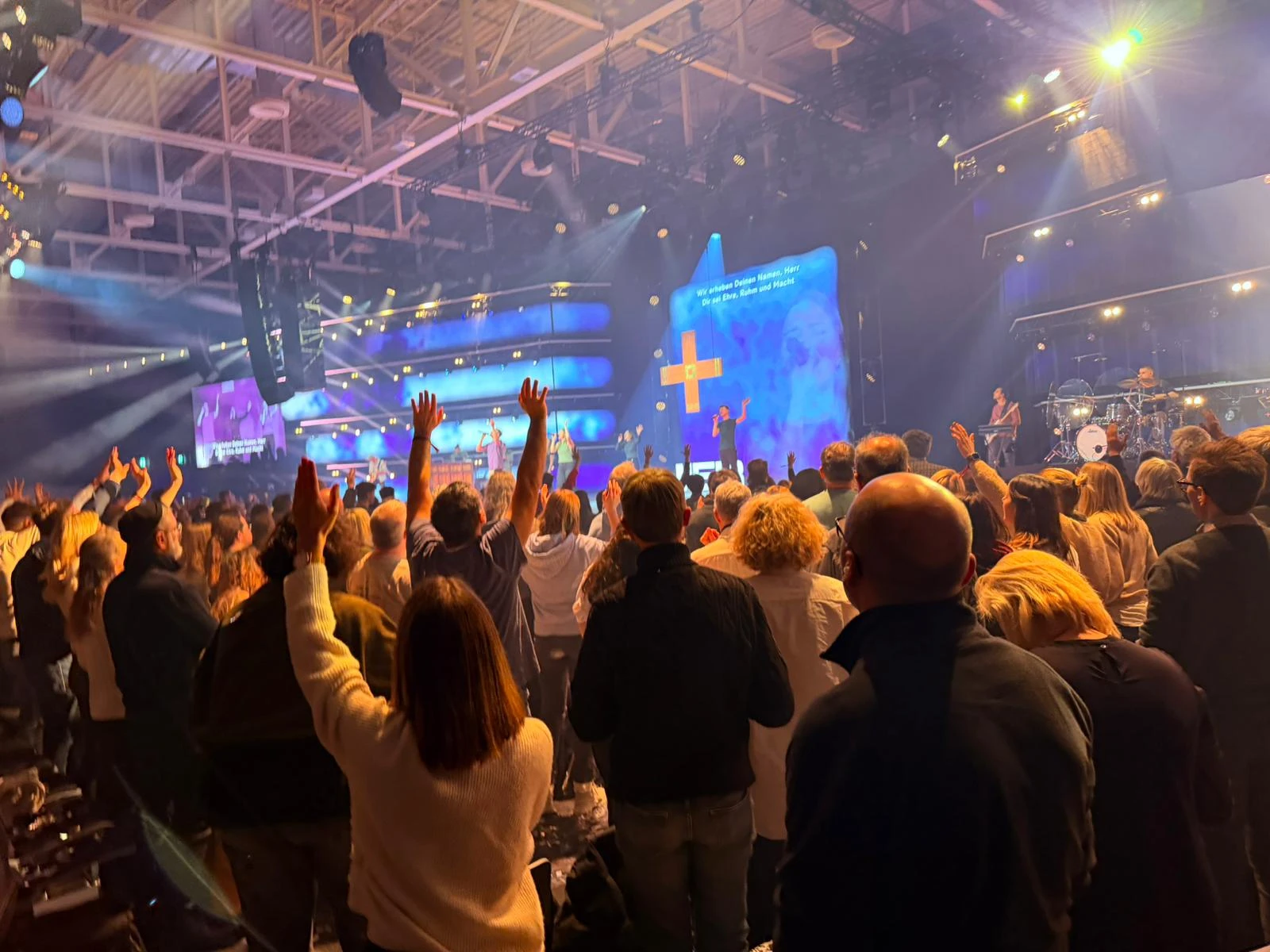 Participants gather for worship at the MEHR conference in Augsburg, Germany, Jan. 3–6, 2026. | Credit: Andreas Thonhauser/EWTN
, Jan 8, 2026 / 15:06 pm (CNA).
The four-day MEHR conference drew participants from across the European continent to hear from international speakers, including American presenters.
Posted on 01/8/2026 19:17 PM (CNA Daily News - Vatican)
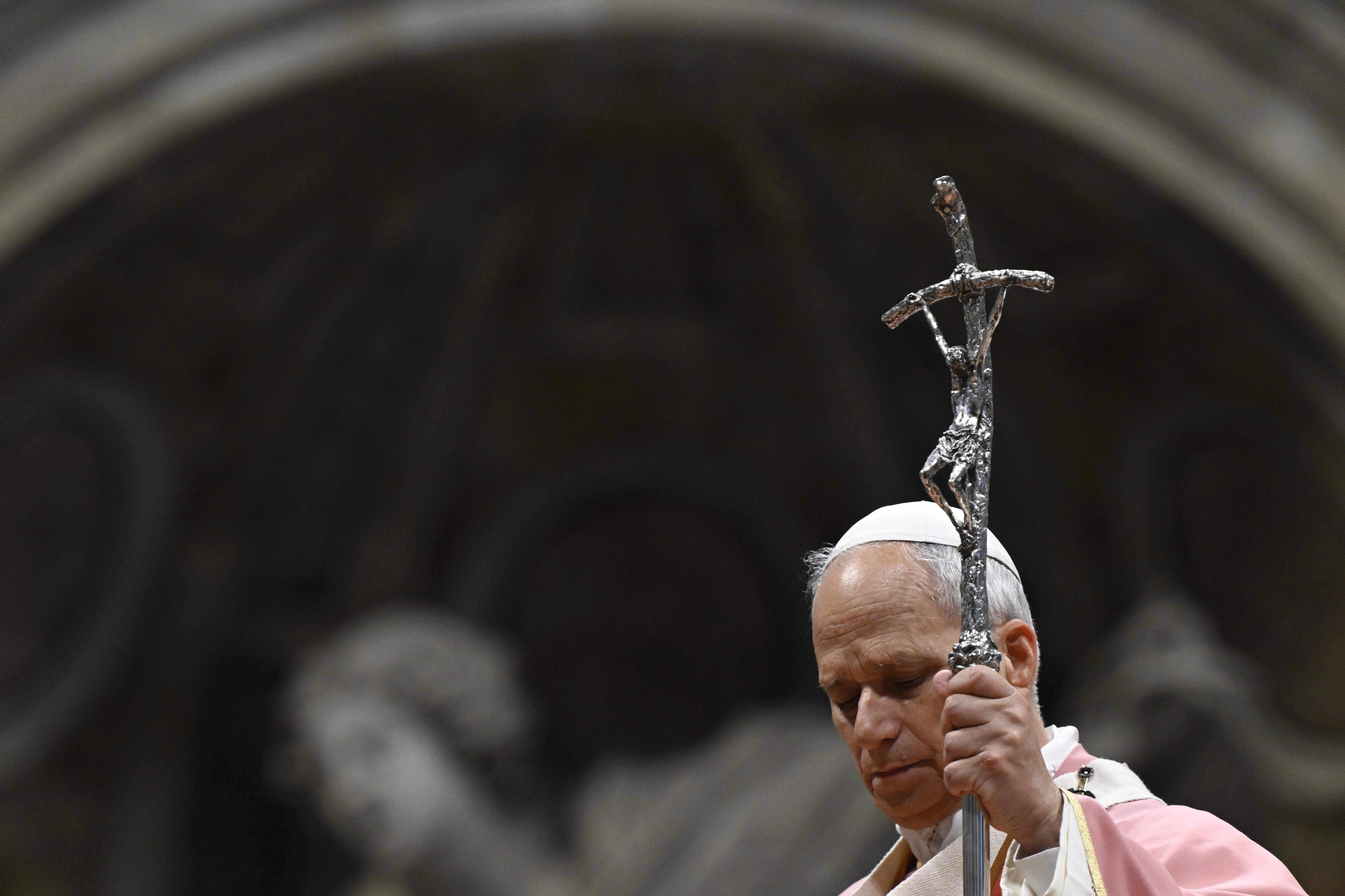 Pope Leo XIV celebrates Mass for the Jubilee of Prisoners in St. Peter’s Basilica on Dec. 14, 2025. | Credit: Vatican Media
Jan 8, 2026 / 14:17 pm (CNA).
Pope Leo XIV’s prayer intention for the month of January is for the faithful to pray with the word of God.
In a video released Jan. 7 on X, the Holy Father said that he is praying “that we may learn, practice, and love praying with the word of God.”
“The gift of Scripture is God’s love letter to humankind,” he said. “Let’s pray that we all draw from this gift and get to know Our Lord.”
The Pope’s Worldwide Prayer Network and the Dicastery for Communication announced Jan. 7 the “Pray with the Pope” project. According to a press release, this is a new initiative in which the pope will share his monthly prayer intentions through both video and audio, “inviting the universal Church and all people of goodwill to unite spiritually, using the same prayer that will now be led by the pope himself.”
“This initiative aims to increase the visibility of the pope’s prayer intentions, using a language suitable for prayer, in new formats, so as to better reach the faithful throughout the world, especially in today’s world of digital communication,” the press release stated.
In the full video shared on the Pope’s Worldwide Prayer Network website, Pope Leo recites an original prayer written specifically for this month’s prayer intention.
Here is the pope’s full prayer:
Lord Jesus, living Word of the Father,
in you we find the light that guides our steps.
We know that the human heart lives restless, hungry for meaning,
and only your Gospel can give it peace and fullness.
Teach us to listen to you each day in the Scriptures,
to let ourselves be challenged by your voice,
and to discern our decisions
from the closeness to your heart.
May your word be nourishment in weariness,
hope in darkness,
and strength in our communities.
Lord, may your word never be absent from our lips or from our hearts —
the word that makes us sons and daughters, brothers and sisters,
disciples and missionaries of your kingdom.
Make us a Church that prays with the word,
that is built upon it and shares it with joy,
so that in every person the hope of a new world may be born again.
May our faith grow in the encounter with you through your word,
moving us from the heart
to reach out to others,
to serve the most vulnerable,
to forgive, build bridges, and proclaim life.
Amen.
“Pray with the Pope” is accessible on the Pope’s Worldwide Prayer Network website and its digital platforms.
Posted on 01/8/2026 15:52 PM (CNA Daily News - Vatican)
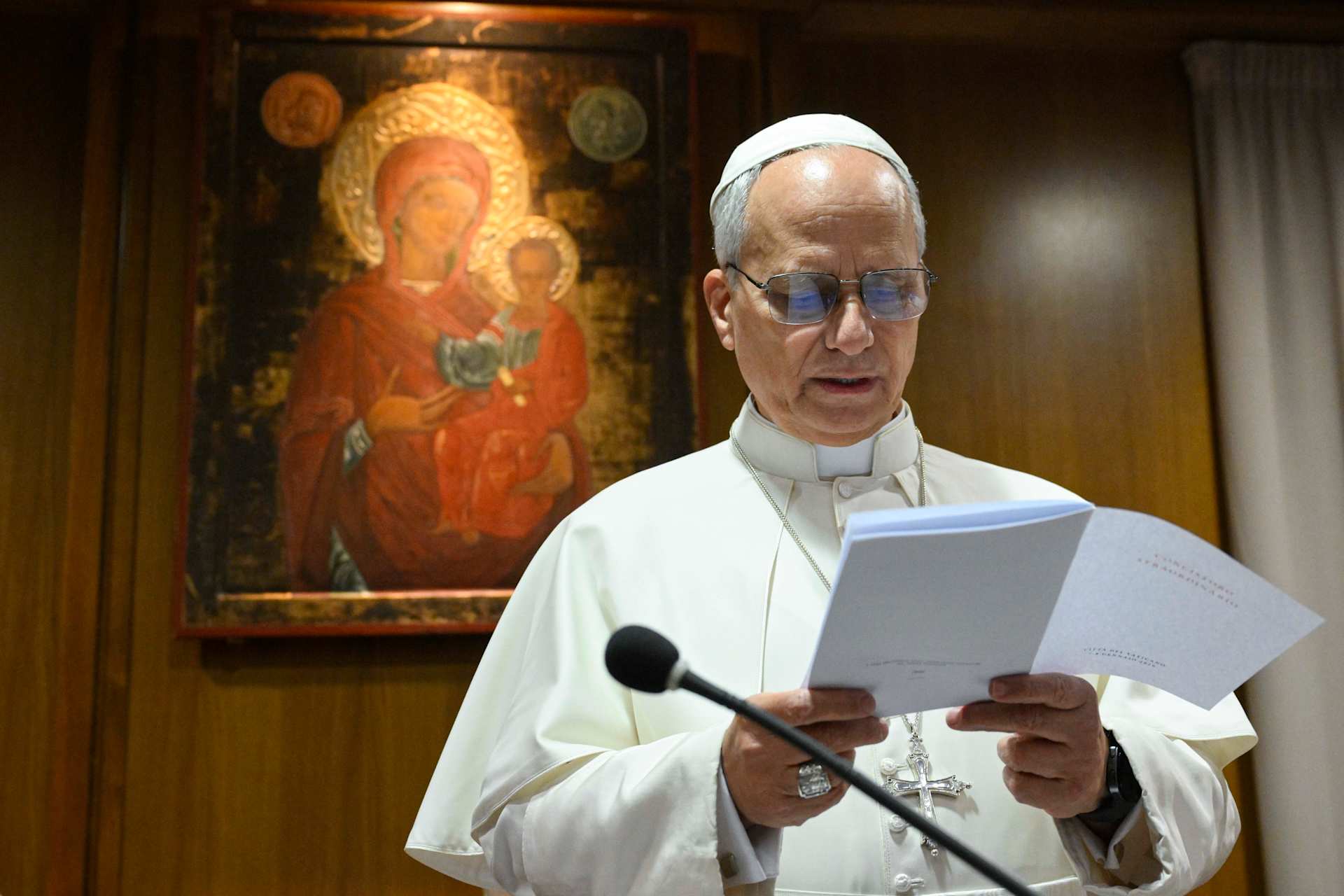 Pope Leo XIV addresses cardinals during the extraordinary consistory on Jan. 7, 2026, in Vatican City. | Credit: Vatican Media
Jan 8, 2026 / 10:52 am (CNA).
ROME — Some cardinals and faithful who have a devotion to the traditional Roman rite have expressed concern that the liturgy appears to be sidelined in the extraordinary consistory currently underway at the Vatican after the cardinals voted to give priority to other issues on the agenda.
In his opening address to the consistory yesterday, Pope Leo XIV reaffirmed to the cardinal participants that they will have the opportunity to “engage in a communal reflection” on four themes already preannounced to be on the meeting’s agenda.
Those topics, he said, were Pope Francis’ 2013 apostolic exhortation Evangelii Gaudium, “that is, the mission of the Church in today’s world”; Praedicate Evangelium, the late pope’s apostolic constitution reforming the Roman Curia; the Synod and synodality “as both an instrument and a style of cooperation”; and the liturgy, “the source and summit of the Christian life.”
But Leo added that “due to time constraints, and in order to encourage a genuinely in-depth analysis, only two of them will be discussed specifically.”
The cardinals were then asked to make clear which two of the four they would want to be specifically debated and, according to Vatican spokesman Matteo Bruni, “a large majority” decided the topics would be “evangelization and the Church’s missionary activity drawn from rereading Evangelii Gaudium,” and “the Synod and synodality.”
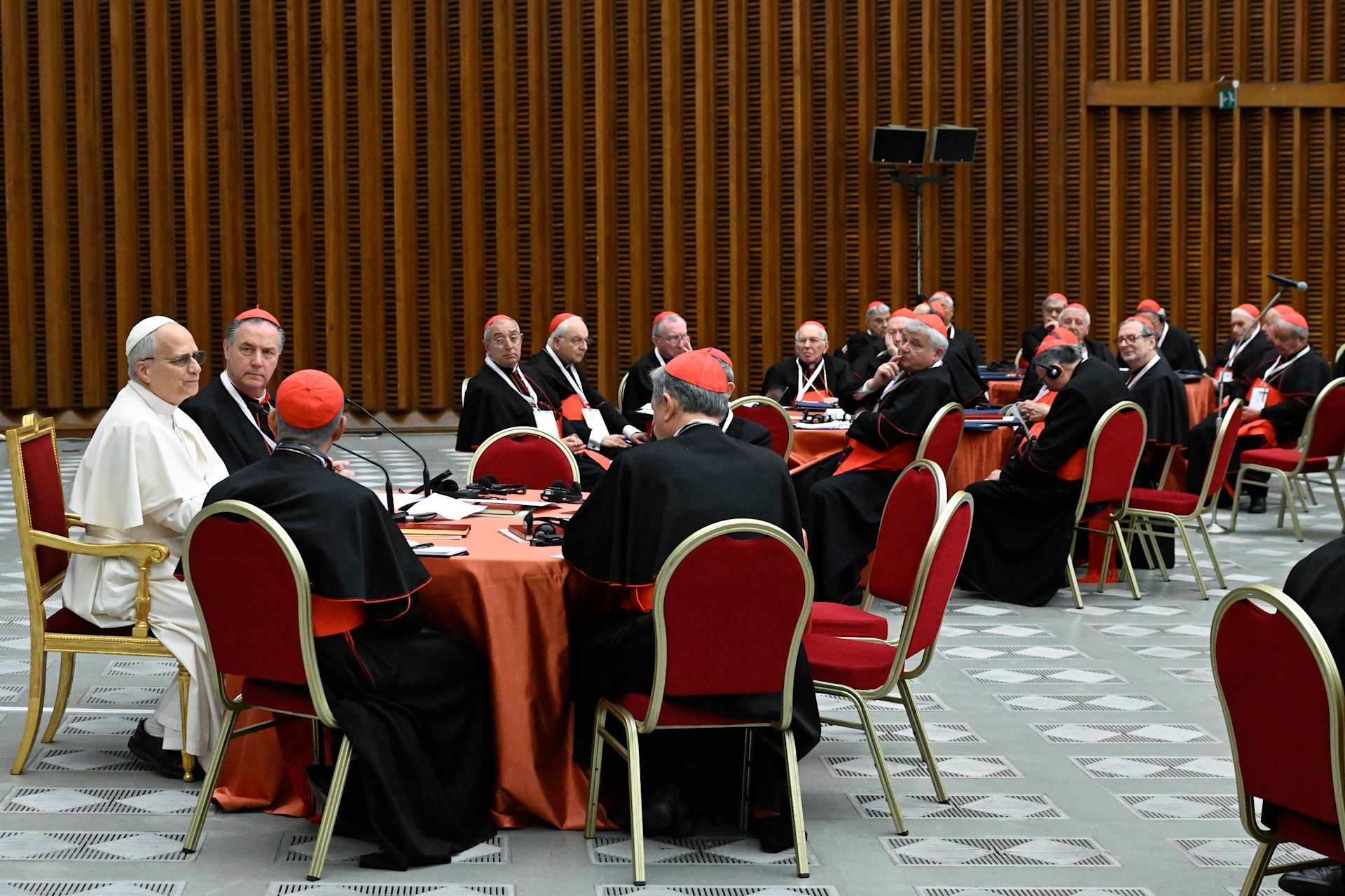
Bruni told reporters at a press briefing Wednesday evening that the 170 cardinals taking part were divided into 20 groups, which were then divided into two blocks. Eleven groups consisted of cardinals in Rome including curial cardinals and those who have concluded their service and are no longer electors. The remaining nine groups were cardinal electors of local Churches (archbishops and bishops of dioceses), cardinal electors who are nuncios and cardinal electors who have concluded their service but remain electors due to being under the age of 80.
Bruni said that “for reasons of time,” the cardinal secretaries of the second block had the job of reporting back the decision of the cardinals. “They had three minutes to explain the work done within the groups and the reasons that led to the choice of the two themes.”
The Holy Father had made clear in his opening address that it was his preference to hear back from the second block as he does not usually receive advice from those cardinals. “It is naturally easier for me to seek counsel from those who work in the Curia and live in Rome,” he said.
But the decision not to make the liturgy a key theme was disappointing to some cardinals and traditional faithful.
The liturgy has long been a particularly sensitive issue, and especially to traditional-minded Catholics following recent sweeping restrictions on the older form of the Latin rite during Pope Francis’ pontificate. These faithful experienced the restrictions not as a mere disciplinary change but as a judgment on their fidelity, spirituality, and ecclesial belonging, which many have described as deeply wounding and divisive.
The popular Italian traditional website “Messa in Latino“ wrote Jan. 7 that it had contacted some anonymous but important cardinals who all said they were “discouraged and disappointed” about the relegation of the liturgy as a discussion topic.
In comments to the National Catholic Register, CNA’s sister news partner, on Jan. 8, the website’s editor Luigi Casalini asked: “To whom did the pope delegate this choice, and according to what criteria were these cardinals of the nine local Churches selected in order to remove — in effect — two topics?” He also wondered “why cardinals sensitive to the issue” appear to have “made no attempt to lobby” for the liturgy to be included as a core topic of discussion, “even before the consistory.”
The consistory, he added, “appears to be in perfect continuity with the synods and the thought of Francis” — a reference to how recent synods were silent on the traditional liturgy.
Speaking to journalists Wednesday, Bruni tried to offer some reassurance. “The other two themes will still be addressed in some way, because mission does not exclude the liturgy,” he said. “On the contrary, in many ways it does not mean exclusion. It means that they will still be addressed within the others or in some other way.”
He added: “As the pope said and as he noted in both his opening and closing speeches [on Wednesday], the themes cannot be separated from each other, because in mission and evangelization there is liturgy.”
Casalini said he was looking ahead to the two free discussions today to see “whether the topic of the liturgy will be taken up again.”
This story was first published by the National Catholic Register, CNA's sister news partner, and has been adapted by CNA.
Posted on 01/8/2026 12:00 PM (Catholic News Agency)
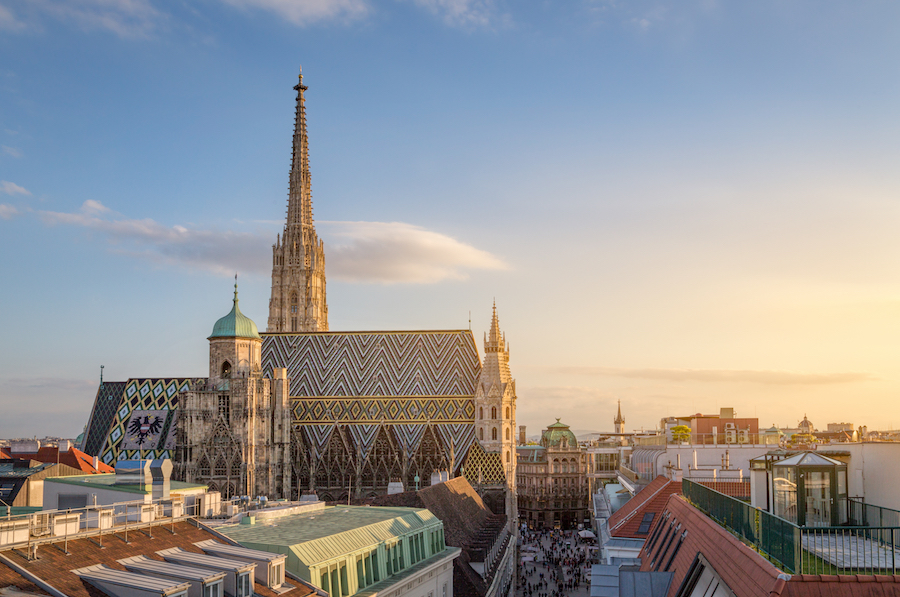 Vienna Skyline with St. Stephen’s Cathedral, Vienna, Austria. | Credit: mrgb/shutterstock
, Jan 8, 2026 / 07:00 am (CNA).
The Catholic Church in Austria has launched a new program for late vocations that allows the priest to also maintain his current career.
Posted on 01/8/2026 11:00 AM (Catholic News Agency)
 An architectural rendering shows the planned Church of the Holy Trinity in Neratovice, Czech Republic. The Noah’s Ark-inspired design by architect Zdeněk Fránek features a green roof and may become the world’s largest 3D-printed church. | Credit: The Neratovice Community Center Foundation
, Jan 8, 2026 / 06:00 am (CNA).
The church tower will be constructed using 3D printing technology, but whether the entire church will be printed is to be decided soon.
Posted on 01/8/2026 00:12 AM (CNA Daily News - Vatican)
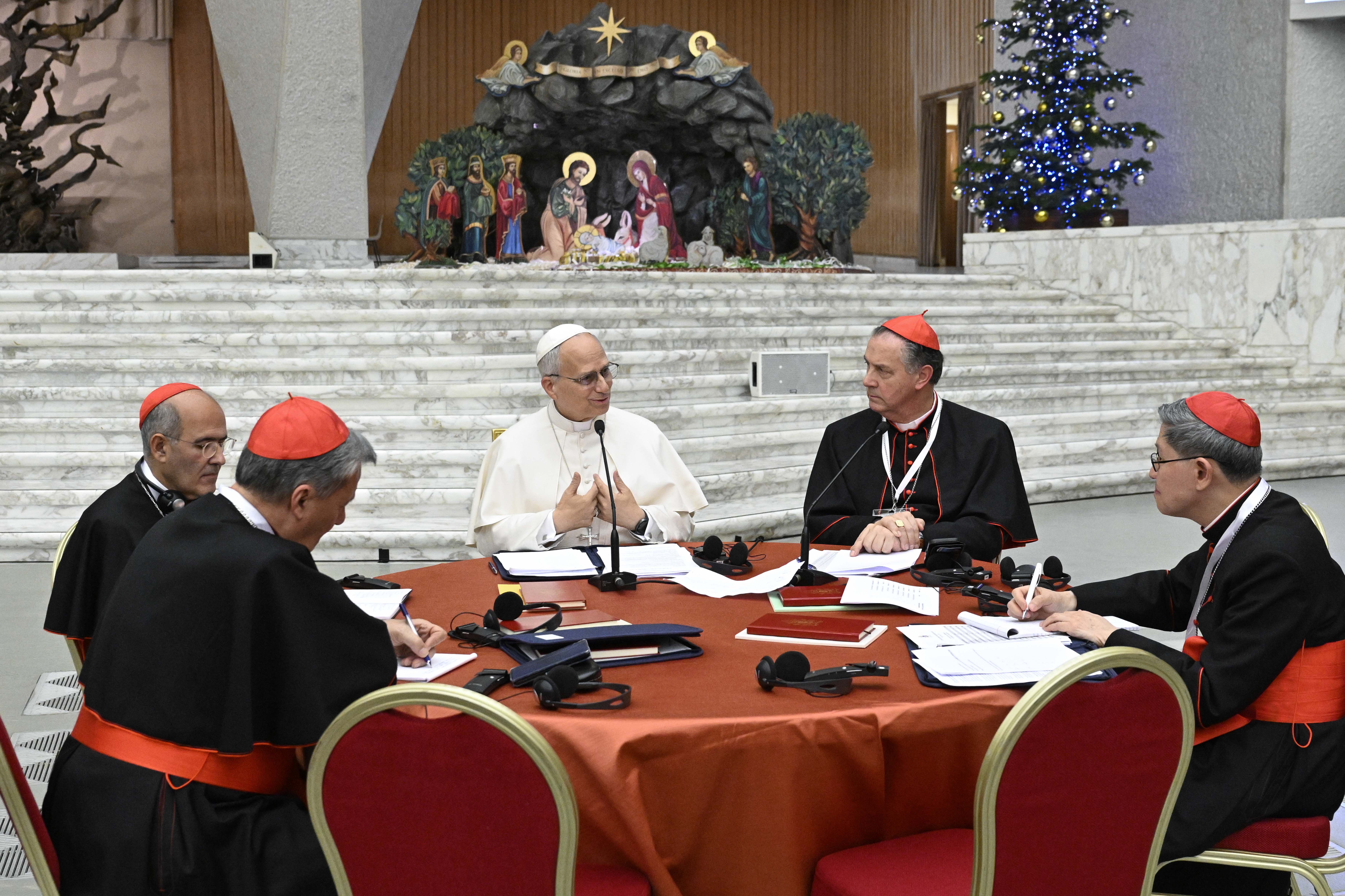 The extraordinary consistory of cardinals is taking place from Jan 7-8, 2026. Credit: Vatican Media
Jan 7, 2026 / 19:12 pm (CNA).
In his opening address at the extraordinary consistory convened for Jan. 7–8, Pope Leo XIV assured the cardinals from around the world gathered at the Vatican that “I am here to listen.”
The Holy Father reminded the cardinals, assembled in the Synod Hall, that “as we learned during the two assemblies of the Synod of Bishops in 2023 and 2024,” within the framework of the so-called Synod on Synodality, “the synodal dynamic implies a listening par excellence.”
“Every moment of this kind is an opportunity to deepen our shared appreciation for synodality,” Pope Leo said, recalling that in the speech Pope Francis delivered on the occasion of the 50th anniversary of the institution of the Synod of Bishops in 2015, the late pontiff said that it is “precisely this path of synodality which God expects of the Church of the third millennium.”
“We must not arrive at a text,” the pope clarified regarding the task of the consistory, “but continue a conversation that will help me in serving the mission of the entire Church.”
In his address, the Holy Father outlined the four themes that will be discussed during the extraordinary consistory. Two of them are named after papal documents of his predecessor, Francis: the apostolic exhortation Evangelii Gaudium and the apostolic constitution Praedicate Evangelium.
Evangelii Gaudium, he noted, has to do with “the mission of the Church in today’s world,” while Praedicate Evangelium refers to “the service of the Holy See, especially to the particular Churches.”
The third and fourth topics will be “synod and synodality,” as “both an instrument and a style of collaboration,” and “the liturgy, the source and summit of Christian life.”
However, he clarified, “due to time constraints and in order to encourage a genuinely in-depth analysis, only two of them will be discussed specifically.”
“While each of the 21 groups will contribute to the choice that we will make, the groups that will be reporting will be those nine coming from the local Churches, since it is naturally easier for me to seek counsel from those who work in the Curia and live in Rome,” he added.
On Jan. 8, he said, the two chosen themes will be addressed with the following question as a guide: “Looking at the path of the next one or two years, what considerations and priorities could guide the action of the Holy Father and of the Curia regarding each theme?”
As the consistory proceeds, the pope called on the cardinals to be “attentive to the heart, mind, and spirit of each; listening to one another; expressing only the main point and in a succinct manner, so that all can speak.”
“The ancient Romans in their wisdom used to say: ‘Non multa sed multum!’ [Not many things, but much],” Leo pointed out, a phrase understood as prioritizing quality over quantity.
“And in the future, this way of listening to one another, seeking the guidance of the Holy Spirit and walking together, will continue to be of great help for the Petrine ministry entrusted to me,” he affirmed.
“Even the way in which we learn to work together, with fraternity and sincere friendship, can give rise to something new, something that brings both the present and the future into focus,” Leo declared.
From the beginning of his address, the pope made clear the perspective of the Second Vatican Council for this consistory, quoting the first paragraph of the dogmatic constitution Lumen Gentium, which emphasizes that “Christ is the light of the nations” and that it is the Church’s duty to ensure that “all men, joined more closely today by various social, technical, and cultural ties, might also attain fuller unity in Christ.”
“We can understand the overall pontificates of St. Paul VI and St. John Paul II within this conciliar perspective, which sees the mystery of the Church as entirely held within the mystery of Christ and thus understands the evangelizing mission as a radiation of the inexhaustible energy released by the central event of salvation history,” Leo XIV said.
He then noted that both Benedict XVI and Francis “summarized this vision in one word: attraction.”
“Pope Benedict did this in the inaugural homily of the Aparecida Conference in 2007 when he said: ‘The Church does not engage in proselytism. Instead, she grows by ‘attraction’: Just as Christ ‘draws all to himself’ by the power of his love, culminating in the sacrifice of the cross, so the Church fulfills her mission to the extent that, in union with Christ, she accomplishes every one of her works in spiritual and practical imitation of the love of her Lord,’” Leo recalled.
“Pope Francis was in perfect agreement with this and repeated it several times in different contexts,” he added.
Pope Leo XIV also emphasized in his speech that “unity attracts, division scatters. It seems to me that physics also confirms this, both on the microscopic and macroscopic levels.”
“Therefore, in order to be a truly missionary Church, one that is capable of witnessing to the attractive power of Christ’s love, we must first of all put into practice his commandment, the only one he gave us after washing his disciples’ feet: ‘Just as I have loved you, you also should love one another.’”
“And he adds: ‘By this everyone will know that you are my disciples, if you have love for one another,’” the pope emphasized.
The Holy Father went on to indicate that in the consistory, “we are a very diverse group, enriched by a wide range of backgrounds, cultures, ecclesial and social traditions, formative and academic paths, pastoral experiences, not to mention personal characteristics and traits.”
“We are called first to get to know one another and to dialogue, so that we may work together in serving the Church. I hope that we can grow in communion and thus offer a model of collegiality,” he said.
This story was first published by ACI Prensa, CNA’s Spanish-language news partner. It has been translated and adapted by CNA.
Posted on 01/7/2026 20:04 PM (CNA Daily News - US)
 Credit: Digital Storm/Shutterstock
Jan 7, 2026 / 15:04 pm (CNA).
A federal appeals court this week upheld a years-old principle of U.S. law that allows religious organizations to hire only like-minded believers as staff members.
Union Gospel Mission of Yakima, Washington, will be permitted to hire only those employees who share the group’s religious beliefs about marriage and sexuality, according to a ruling from the U.S. Court of Appeals for the 9th Circuit.
The court’s Jan. 6 ruling said the state of Washington would be forbidden from enforcing the Washington Law Against Discrimination against the Christian group.
The mission group originally brought suit against the state in 2023, arguing that the nondiscrimination law hindered its ability to hire solely workers who agree with the group’s Christian worldview.
The “ministerial exception” generally allows religious groups to be exempt from U.S. discrimination laws when hiring for ministry roles. But in its lawsuit Union Gospel Mission sought broader relief from the state discrimination law, arguing that it wanted to ensure even “non-ministerial” employees were adhering to the Christian faith.
In its ruling, the 9th Circuit said that the principle of church autonomy, as recognized by U.S. courts, “forbids interference” with “an internal church decision that affects the faith and mission of the church itself.”
“[I]n cases involving the hiring of non-ministerial employees, a religious institution may enjoy [church autonomy] when a challenged hiring decision is rooted in a sincerely held religious belief,” the court said.
Union Gospel’s hiring policy qualifies as an “internal management decision” protected by U.S. law, the court held. Allowing the state to enforce the discrimination policy “could interfere with a religious mission and drive it from the public sphere.”
The decision was hailed by the legal group Alliance Defending Freedom, which has represented the Christian group for nearly three years. Attorney Jeremiah Galus said the court “correctly ruled that the First Amendment protects the mission’s freedom to hire fellow believers who share that calling.”
“Religious organizations shouldn’t be punished for exercising their constitutionally protected freedom to hire employees who are aligned with and live out their shared religious beliefs,” Galus said.
In a phone interview with CNA on Jan. 7, Galus said the decision represents a “pretty significant victory.”
The ministerial exception is a “somewhat unremarkable principle,” he pointed out. Yet the Washington Supreme Court had earlier ruled for a narrower interpretation of that exception, creating uncertainty around the scope of the principle there.
The 9th Circuit ruling is the “first appeals decision of its kind that holds the First Amendment allows religious orgs to operate in this way,” Galus said.
The appeals court ruling upheld a lower court’s block of the state law.
It is unclear if Washington state will appeal the decision. The Supreme Court has previously ruled broadly in favor of ministerial exceptions, including in the 2012 decision of Hosanna-Tabor v. EEOC, in which the high court unanimously ruled that the First Amendment “prevents the government from appointing ministers” and “prevents it from interfering with the freedom of religious groups to select their own.”
The court expanded that principle in the 2020 decision Our Lady of Guadalupe School v. Morrissey-Berru when it held that religious schools are permitted to hire and fire teachers as they please under the ministerial exception.
Galus, meanwhile, pointed out that the appeals ruling extends beyond Washington state to encompass the entirety of the 9th Circuit.
The decision “affirms what we have been saying all along, which is that the First Amendment protects this right regardless of a statutory exemption,” he said.